



The workshop consumables checklist: what to keep on the shelf
Filters
The four essential car filters and why they matter
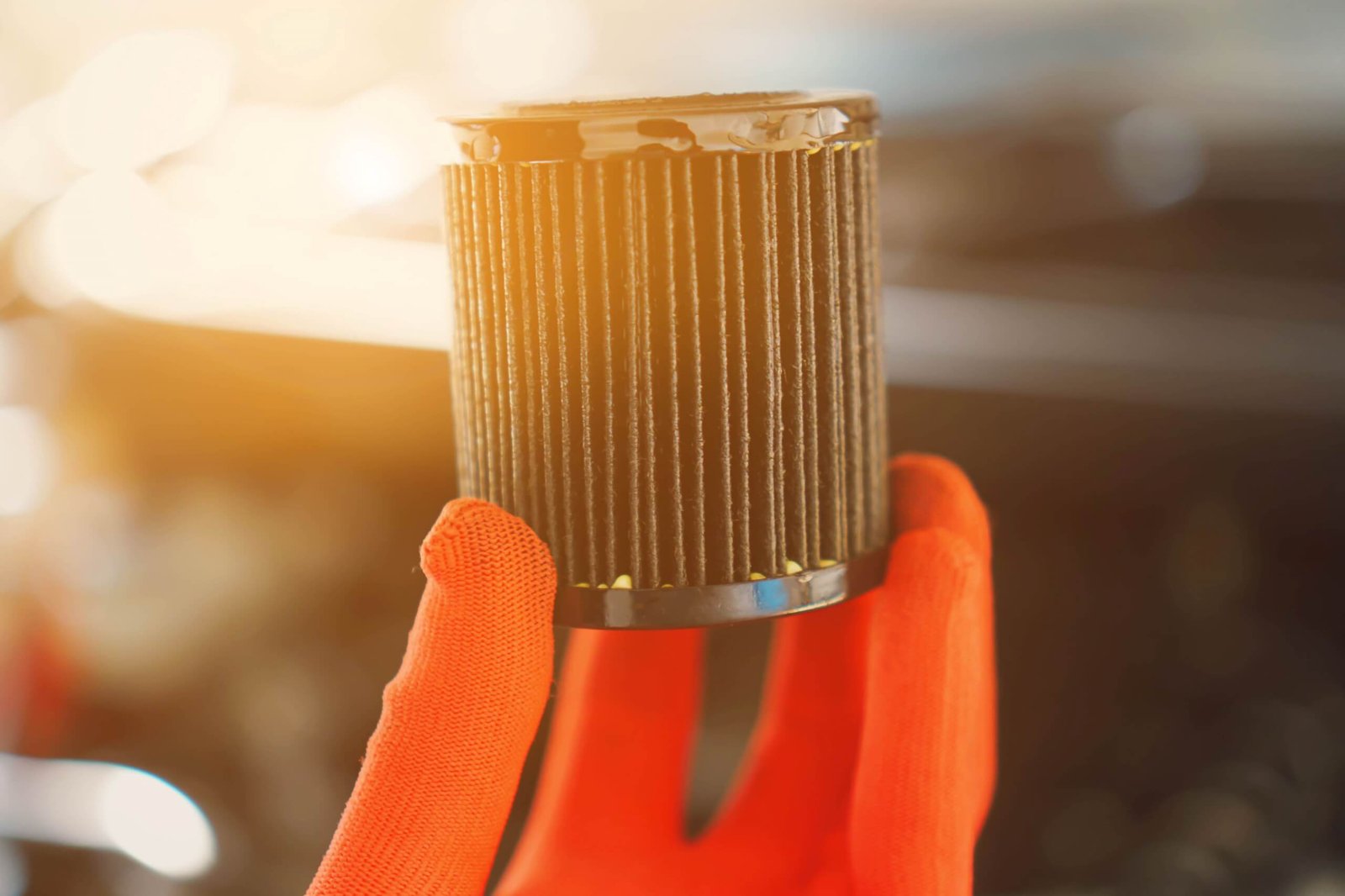
Every vehicle relies on four key filters, oil, fuel, air and cabin, to keep everything running smoothly. They protect your engine, your fuel system and even the air you breathe inside the car. When one clogs or wears out the signs show up quickly: higher fuel consumption, reduced performance, dirty exhaust, or strange odours in the cabin. Staying on top of filter replacement is not just about preventing breakdowns; it is about efficiency, performance and comfort every time you drive. Here is what each filter does and when to think about replacing it.
Oil filters: protecting your engine's lifeblood
Think of the oil filter as your engine's first line of defence. It keeps grit, dirt and metal fragments out of the oil, so every moving part gets clean lubrication. A primary (full-flow) filter handles the bulk of the filtering from start-up; on some engines a secondary (bypass) filter captures the smaller particles the primary filter misses. Red flags of a clogged oil filter:
- Low oil pressure
- Dirty or dark oil
- Engine overheating
- Louder engine noise
Oil filter replacement guide: every 8,000 km, or every 5,000 km if you tow or drive off-road. In practice that means at every oil change.
Fuel filters: petrol vs diesel
Fuel filters make sure only clean fuel reaches your engine. Petrol and diesel filters serve the same purpose, but diesel engines demand finer filtration: a petrol filter traps particles down to about 10 microns, while a diesel filter stops particles as small as 3 microns. Red flags of a clogged fuel filter:
- Misfires or stalling
- Difficulty starting
- Sluggish acceleration
- Declining fuel efficiency
Fuel filter replacement guide: petrol every 20,000 km, diesel every 10,000 to 15,000 km.
Air filters: keeping combustion clean
Engines need air as much as fuel. The air filter makes sure only clean air reaches the combustion chamber. Air filters are inexpensive and a new one can instantly restore lost performance. Red flags of a clogged air filter:
- Reduced power and sluggish acceleration
- Increased engine noise
- Black smoke from the exhaust
- Poor fuel economy
Air filter replacement guide: check it regularly and replace it about every 12 months, sooner on dusty roads.
Cabin filters: comfort and clean air
The cabin filter does not affect performance, but it makes a big difference to comfort. It traps dust, pollen, smoke and other airborne pollutants before they reach the cabin. Red flags of a clogged cabin filter:
- Weak airflow from the vents
- Musty odours
- Windows that fog up
Cabin filter replacement guide: every 12 to 24 months.
Quick-reference checklist
When to replace your car filters:
- Oil filter: every 8,000 km (5,000 km in heavy use). Trouble signs: low oil pressure, dirty oil, overheating.
- Fuel filter: petrol 20,000 km, diesel 10,000 to 15,000 km. Trouble signs: misfires, stalling, sluggish performance.
- Air filter: about every 12 months. Trouble signs: poor economy, black smoke, reduced power.
- Cabin filter: every 12 to 24 months. Trouble signs: weak airflow, odours, foggy windows.
DIY or leave it to the pros?
Most car services include filter replacement, so if your vehicle is serviced regularly you are covered. If you prefer to do it yourself, filters are relatively simple to change with the right tools and quality parts. Air and cabin filters are the easy ones; oil and fuel filters need more care because the systems are pressurised.
Where to get reliable car filters
RedPoint makes it easy to source the right filters for your vehicle. Whether you need oil, fuel, air or cabin filters, we stock quality, affordable options designed to keep your car performing at its best. Filters may be small, but they play a big role in keeping a car reliable, efficient and comfortable. Staying proactive about replacement means better fuel economy, fewer emissions and a smoother, safer drive. Need help choosing? The team is happy to make sure you get exactly what your vehicle needs.