






The workshop consumables checklist: what to keep on the shelf
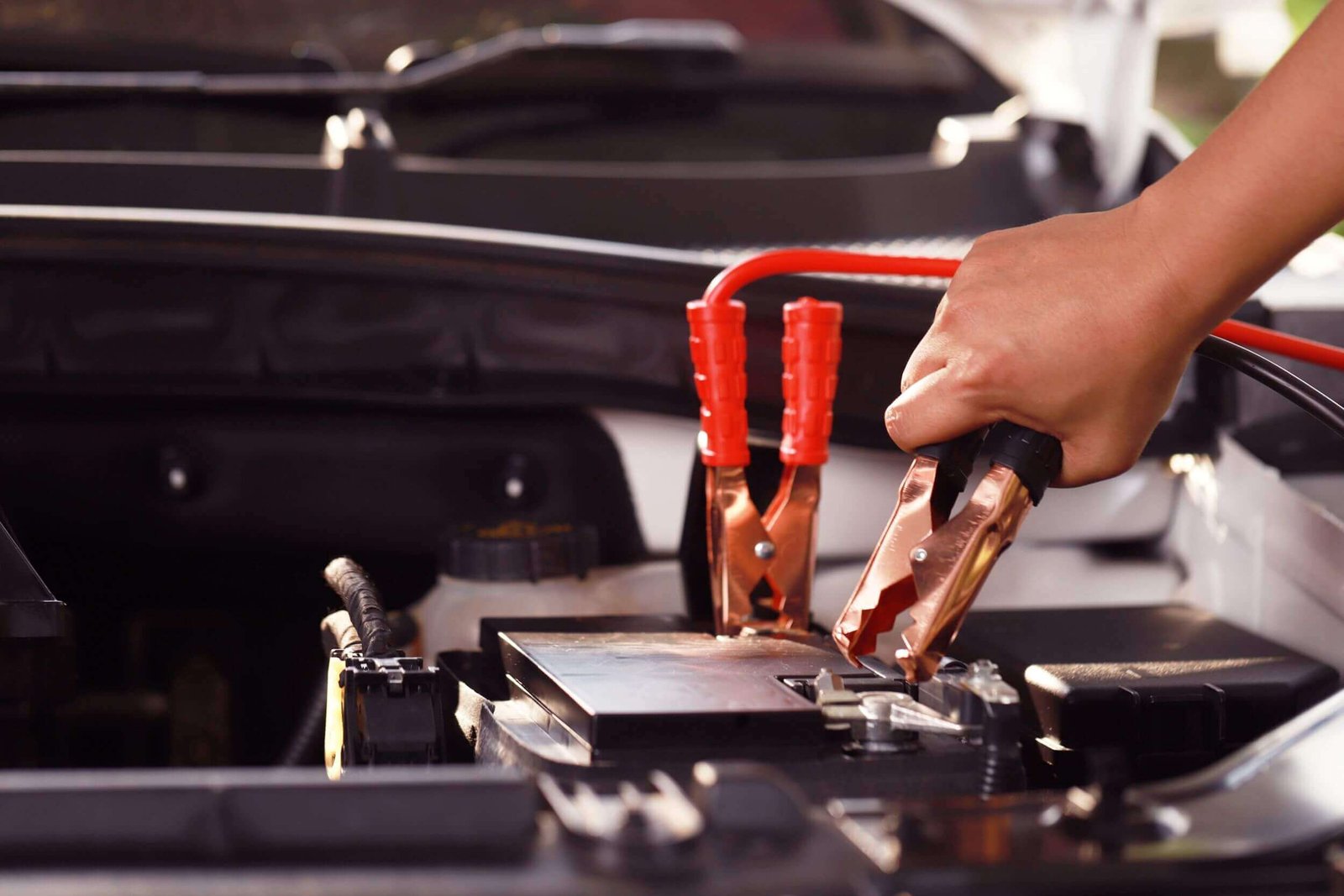
Being stuck with a flat battery is never ideal, especially somewhere unfamiliar. With the right know-how you can get back on the road with confidence. Knowing how to jump start a car is a basic skill that can save you time, money and a call to roadside assistance. This guide covers the essentials, from why batteries go flat to the step-by-step jump start, so you can act quickly and safely when your battery lets you down.
Why your battery might be flat
A flat or discharged battery is one of the most common reasons a car will not start. It usually happens when power is drawn while the engine is off, for example:
- Leaving the headlights on overnight
- Listening to the radio with the engine off
- Not driving the car for an extended period
What jump starting is, and what it is not
You might hear a clicking sound when you turn the key but the engine will not crank. That is a clear sign the battery needs a jump, especially if it is an older battery or the weather is cold. Jump starting is a temporary fix: it uses another power source, usually a second vehicle or a portable jump starter, to give the battery enough charge to start the engine. Once the car is running you can drive it somewhere safe or put the battery on a charger. Jump starting does not fix a discharged battery; it is a short-term workaround.
Safety first: before you begin
Jump starting involves electricity, so safety comes first. Done incorrectly it can hurt you or damage the vehicle. Keep these in mind:
- Wear protective gloves and safety glasses
- Check both vehicles are in Park (or Neutral) with the handbrake on
- Turn off the ignition in both vehicles
- Never jump start a cracked, leaking or damaged battery
- Avoid clamping onto a battery terminal that carries a current sensor
- Use the manufacturer's jump points where the vehicle has them
- If you are unsure, do not take the risk: call a professional
What you will need
To jump start a car you need one of the following:
- A pair of heavy-duty jumper leads and a donor vehicle with a healthy battery, or
- A portable jump starter, which is the safer and more convenient option
Tip: portable jump starters are safer and most include reverse polarity protection. Ask your local RedPoint branch which option suits your vehicle.
Step by step: how to jump start a car
Check the battery condition first (never jump a battery that is damaged, leaking or gassing), confirm both vehicles use the same voltage (most passenger vehicles are 12V), and take the keys out of the disabled vehicle. Then connect the leads in this order:
- Red (positive) lead to the positive terminal of the flat battery, or to its jump point if there is one
- Other end of the red lead to the positive terminal of the donor battery
- Black (negative) lead to an unpainted metal surface on the disabled vehicle, such as the engine block. Do not connect it to the negative battery terminal
- Other end of the black lead to the donor vehicle's negative terminal or an unpainted metal surface
- Start the donor vehicle (or switch on the jump starter) and wait two minutes
- Start the disabled vehicle and leave both running for at least two minutes
Disconnecting
Take the leads off in the reverse order, with nothing touching:
- Remove the negative lead from the disabled vehicle first, then from the donor vehicle
- Remove the positive lead from both vehicles
- Turn off the donor vehicle and keep the recovered vehicle running
After you have jump started
A 20-minute drive will not fully recharge a flat battery. The car's charging system helps, but it is not enough to restore a heavily discharged battery. For the best result, use a quality mains-powered multi-stage charger and charge overnight at the recommended rate: a 75Ah battery, for example, should charge at no more than 7.5A. Prolonged undercharging leads to sulphation, which shortens battery life and limits performance.
Short version: check the battery, match the voltage, connect positive first and earth the negative to bare metal, disconnect in reverse, then put the battery on a proper charger overnight. If in doubt, consult the vehicle manual or get professional help.
Final thoughts
Knowing how to jump start a car is more than handy; it gives you confidence in an emergency and more control over your time and safety. Follow each step carefully, wear protective gear, consult your vehicle's manual, and seek help if you are not sure. Need help choosing the right battery or jump starter? Your local RedPoint team is here to help.